
Real Estate Tokenization Service for Property Owners and Developers
We help real estate owners, developers, and investment firms structure and launch tokenized property projects through real estate tokenization service. From property tokenization platforms to full real estate tokenization platform development, we deliver compliant and scalable investment infrastructure.




What You Get with Real Estate Tokenization Service
Property-backed tokenization model aligned with ownership structure and investor rights
Fractional ownership framework designed for compliant investor participation
Legal and compliance architecture prepared for jurisdiction-specific real estate structures
Smart contract infrastructure built for issuance, transfers, and ownership records
Investor distribution system supporting onboarding, access, and participation management
Scalable real estate platform setup ready for dashboards, registries, and marketplace integrations
How real estate tokenization service enables compliant property investment and scalable tokenized platforms
Bringing property assets into digital infrastructure
Real estate tokenization refers to the process of representing ownership rights or economic participation in property assets through blockchain-based digital tokens.
Instead of relying exclusively on traditional record-keeping systems, tokenization introduces a digital layer that allows real estate assets to be represented and managed using blockchain infrastructure.
This approach does not replace the underlying legal ownership structure of a property. Rather, it creates a digital representation of specific rights connected to the asset, which may include ownership interests, participation rights, or other forms of economic exposure depending on the structure of the project.
At TokBase, we support organizations in designing and implementing the technological and structural framework required for real estate tokenization projects.
Why real estate is considered suitable for tokenization
Real estate is one of the most frequently discussed asset classes in the context of tokenization.
Property assets often involve high capital requirements, complex ownership structures, and administrative processes that can benefit from more efficient digital infrastructure.
Tokenization introduces new ways to represent and manage these assets digitally, while maintaining the underlying legal framework associated with property ownership.
In certain structures, tokenization may allow:
- digital representation of ownership or participation rights
- fractional participation models
- improved transparency of ownership records
- more efficient management of asset-related data
- programmable processes through smart contracts
However, the exact structure and implications depend on the legal and operational design of the project.
How real estate tokenization works
A real estate tokenization project typically begins with an analysis of the property asset and the ownership structure connected to it.
During this phase, the project team evaluates how rights related to the property can be represented digitally and what legal structures may be required to support that representation.
Once the structural framework is defined, blockchain-based tokens can be created to represent specific rights associated with the property.
Smart contracts may then be used to automate certain operational aspects of the system, such as the transfer of tokens, record-keeping, or predefined interactions between participants.
In many cases, additional digital infrastructure is required to support the interaction between users and the tokenized asset. This may include investor dashboards, management platforms, or marketplace integrations.
TokBase supports organizations throughout this process by designing and implementing the required infrastructure.
Key considerations in property tokenization
Tokenizing real estate involves multiple layers of analysis beyond the technical implementation.
Important considerations typically include:
- the legal structure of property ownership
- the rights represented by the token
- regulatory frameworks applicable to the jurisdiction
- investor participation models
- the technical architecture supporting the tokens
Each of these elements must be aligned in order for the tokenization structure to function effectively.
Because property laws and financial regulations vary between jurisdictions, careful planning and legal coordination are often required before launching a real estate tokenization project.
Technology behind real estate tokenization
Blockchain technology provides the infrastructure that enables digital tokens representing property-related rights to be issued and managed.
Through distributed ledger systems, transactions involving tokens can be recorded transparently and securely.
Smart contracts can also be used to automate certain rules governing how tokens behave within the system.
Different blockchain networks may be suitable for different types of real estate projects depending on factors such as scalability, ecosystem maturity, interoperability, and operational requirements.
TokBase helps clients select the appropriate infrastructure for their specific use case.
Potential applications
Real estate tokenization can be explored in a variety of contexts.
Some of the most common scenarios include:
Residential real estate
Digital participation models linked to residential property assets.
Commercial property
Tokenized structures related to office buildings, retail spaces, or mixed-use developments.
Real estate development projects
Infrastructure that supports participation structures for development initiatives.
Real estate investment structures
Digital representation of participation rights connected to property portfolios or investment vehicles.
Each model requires careful legal and operational structuring.
From real estate to broader RWA ecosystems
Real estate tokenization is often one of the first steps for organizations exploring real-world asset tokenization.
Once the infrastructure is established, similar models can potentially be adapted for other asset classes such as commodities, private equity, or infrastructure projects.
For this reason, real estate tokenization is often considered a gateway to broader RWA ecosystems built on blockchain infrastructure.
Our recent work
Selected client outcomes delivered by TokBase.
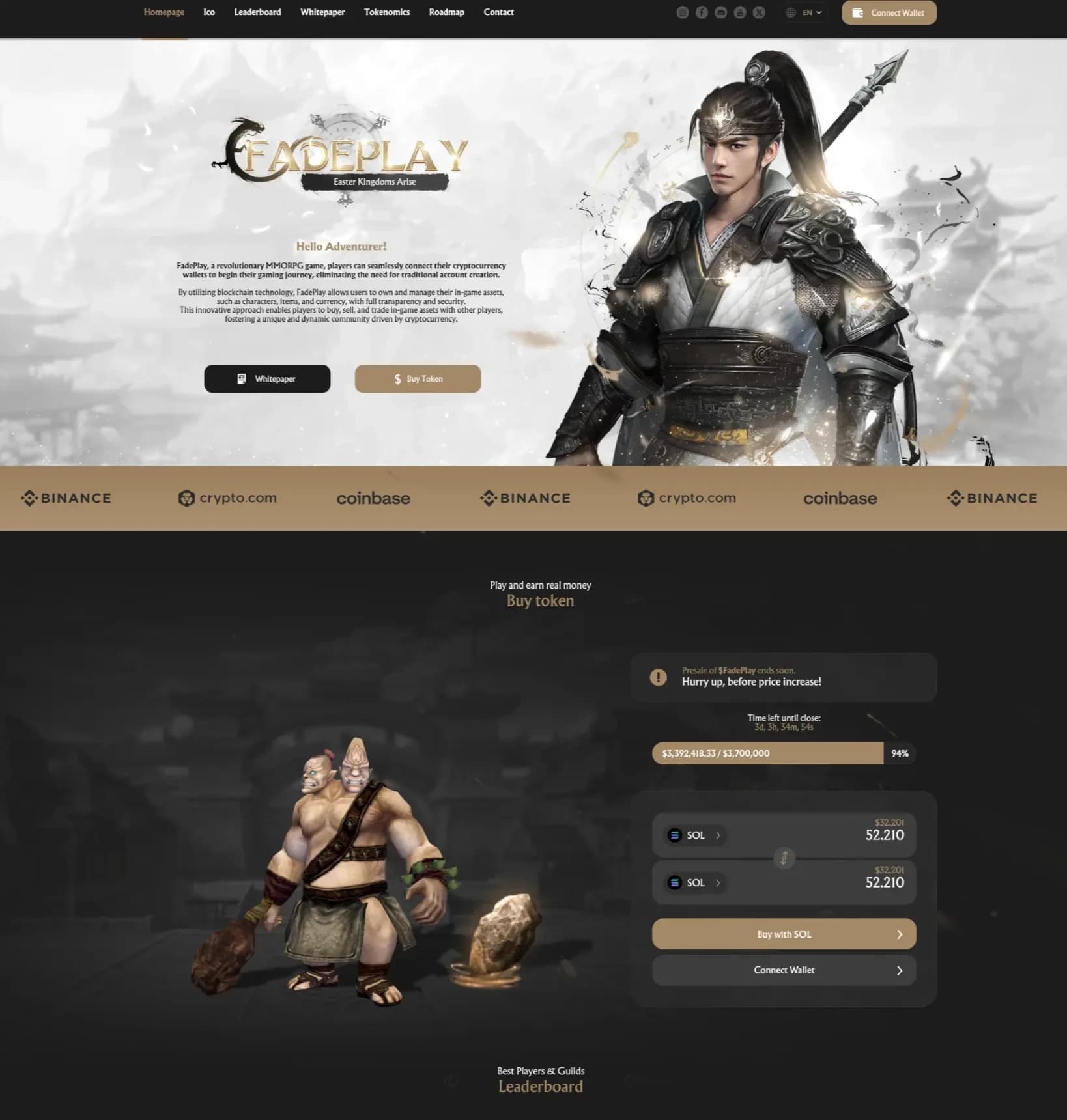

FadePlay - MMORPG P2E Game
This project involves creating digital tokens that represent ownership of various agricultural products, land, and resources, enabling fractional ownership and investment opportunities.



Armin J.
FadePlay
Team prepared a very well-structured token launch for our Metin2 private server project. We successfully connected blockchain technology with the MMORPG gaming world. Their understanding of both Web3 infrastructure and gaming ecosystems allowed us to pioneer a unique approach within the Metin2 community. Highly recommended.
Upcoming projects

Apartium - Global Real Estate Tokenization Initiative.
TokBase feedback
Partners and customers reviews.
Aleksandra P.
Black Belt BankingTeam demonstrated exceptional speed and professionalism during critical stages of our project. Their expertise in regulatory structures and documentation played a key role in helping us navigate the MiCA framework and achieve acceptance from financial authorities. Their ability to act quickly in complex situations makes them a reliable partner for any serious Web3 or fintech initiative.
Wojciech O.
DubaiSupported our project from the early stages by preparing the initial legal and structural documentation required for tokenization. Thanks to their clear framework and professional guidance, we were able to move forward with implementation smoothly and without unnecessary complications. Their experience with international Web3 projects was clearly visible throughout the process.
Mustafa T.
QueckoFast and highly professional audit of my smart contracts. They carefully reviewed the code according to industry best practices, identified vulnerabilities, and implemented all necessary fixes. The entire process was transparent and efficient. I highly value their technical competence and attention to detail in blockchain development.
Maciej G.
Precious Metals TradingTeam helped us prepare the legal and operational framework for a company trading precious metals. Their innovative approach allowed us to integrate crypto ledger infrastructure instead of relying solely on traditional banking systems in Sierra Leone. This solution significantly improved flexibility and transparency within our financial operations.
Sukhjeevan U.
eTukTukMichal delivered an exceptionally well-prepared whitepaper for our project. The document was strong both in terms of substance and presentation, combining clear tokenomics, structured information, and professional Web3 standards. The final version was also designed as a high quality PDF, making it suitable for investors and public distribution. Highly professional work.
Armin J.
FadePlayTeam prepared a very well-structured token launch for our Metin2 private server project. We successfully connected blockchain technology with the MMORPG gaming world. Their understanding of both Web3 infrastructure and gaming ecosystems allowed us to pioneer a unique approach within the Metin2 community. Highly recommended.
Nick N.
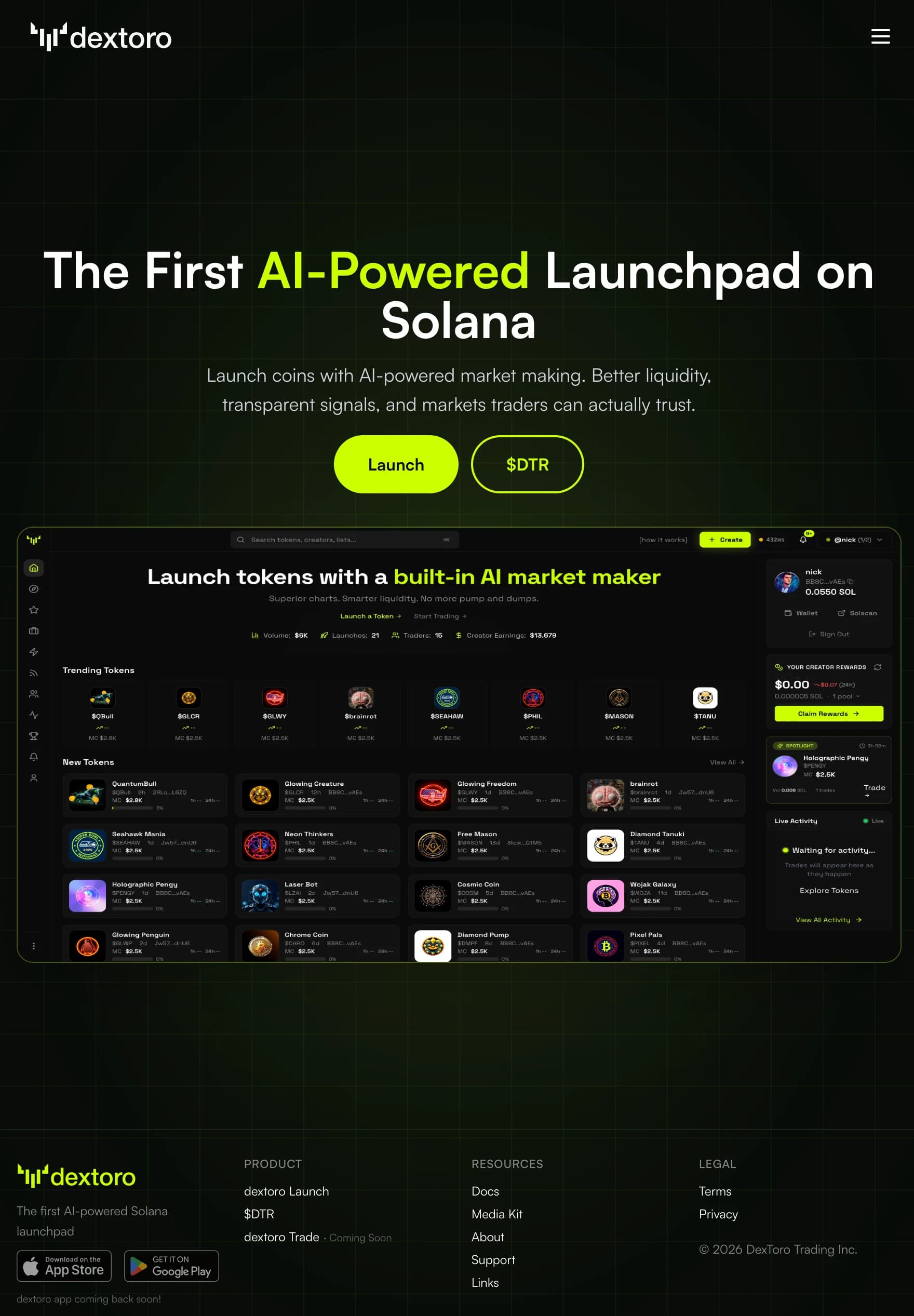
DextoroConducted a comprehensive audit of our smart contracts with a strong focus on security and best practices. The team quickly identified potential vulnerabilities and provided clear, actionable recommendations, followed by efficient implementation of fixes. Their technical expertise and structured approach gave us full confidence in the integrity of our platform before launch. Highly recommended.
All reviews published on this platform are genuine and submitted by real customers who have experienced products/services from our team. We do not fabricate, alter, or incentivize feedback.
Make an appointment. It's that simple.
Are you interested in our services?
Let's talk about the scope of the project.
April
Schedule an appointment with TokBase.
Zostań partnerem lub inwestorem
Get in touch with us
Our Location: Office Suites Club
Street: 20 Harcourt Street
City: Dublin
Code: D02 H364